Programmes

We combine strong academics with creativity and critical thinking, challenging every student to reach their full potential.

Preschool, Primary, Secondary, and IB Diploma Programmes

Preschool

Our Preschool programme nurtures curiosity and confidence through play‑based learning in a warm and caring environment.

Primary

Our Primary programme builds strong foundations in core subjects while encouraging creativity, independence, and a love of learning.

Secondary

Our Secondary programme challenges students academically and prepares them for future success through critical thinking, leadership, and global awareness.

IB Programme

Our IB Programme develops curious and compassionate learners, preparing students for success at leading universities worldwide and in an ever‑changing global society.

Extracurricular Activities

Our extracurricular activities provide students with opportunities to explore their interests, develop new skills, and build confidence beyond the classroom.

Preschool

The Preschool section is comprised of three year groups:

  • Nursery 1 (age 3)

  • Nursery 2 (ages 3 – 4)

  • Reception (ages 4 – 5)

Each group has 2 teachers.

What makes us special?

Our preschool is defined by its unique atmosphere, thanks to an exceptionally warm and dedicated staff who support children’s development with passion and commitment, providing them with a safe and joyful environment for learning and play.

We are guided by values such as equality, respect, and diversity, which allows us to create an environment conducive to harmonious development. We support children in pursuing independence and creative thinking, encouraging them to explore the world on their own terms.

Our location in the heart of the city makes us easily accessible for families, simplifying everyday logistics.

The school offers children access to a psychologist and speech therapist, including individual sessions, allowing both specialists and staff to take a more personalised approach to each child and their needs.

Our groups are smaller than those in standard public institutions, enabling even more individual care and better tailoring of activities to each child’s needs.

We also offer several communication channels between parents and teachers, allowing for ongoing monitoring of the child’s progress. We provide daily photo reports from activities and attractions organised for the children, so that parents can follow their development and daily activities.

We celebrate many holidays and traditions, both Polish and international, including Christmas, Easter, Halloween, Holi, Diwali, Odd Sock Day, Teddy Bear Day, and Children’s Day, allowing children to discover diverse cultures and customs. We also organise themed days and events that encourage children to learn through play — from Kindness Day and No Backpack Day, through the First Day of Spring, to Carnival Party, Autumn Ball, and Pajama Party.

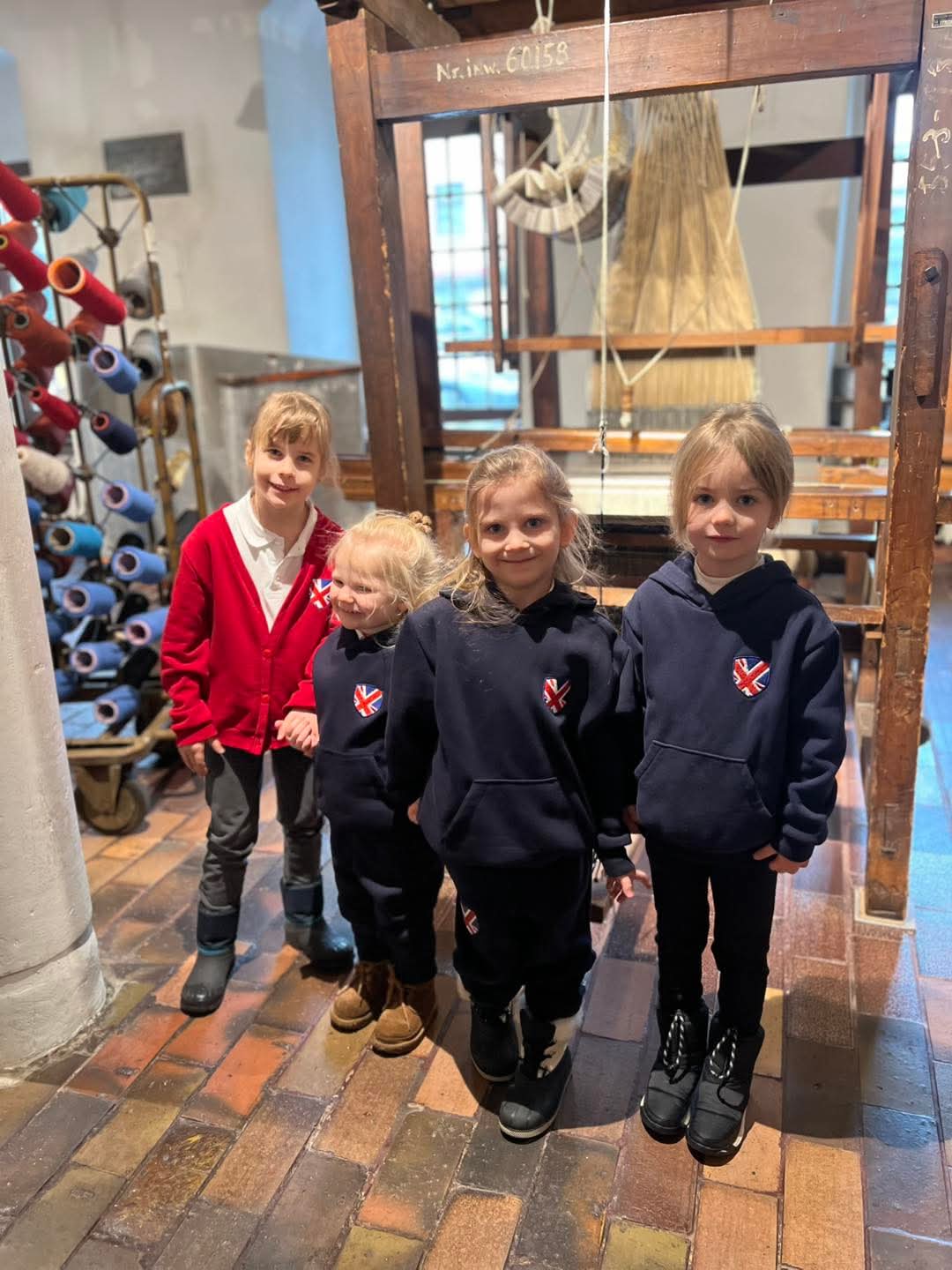
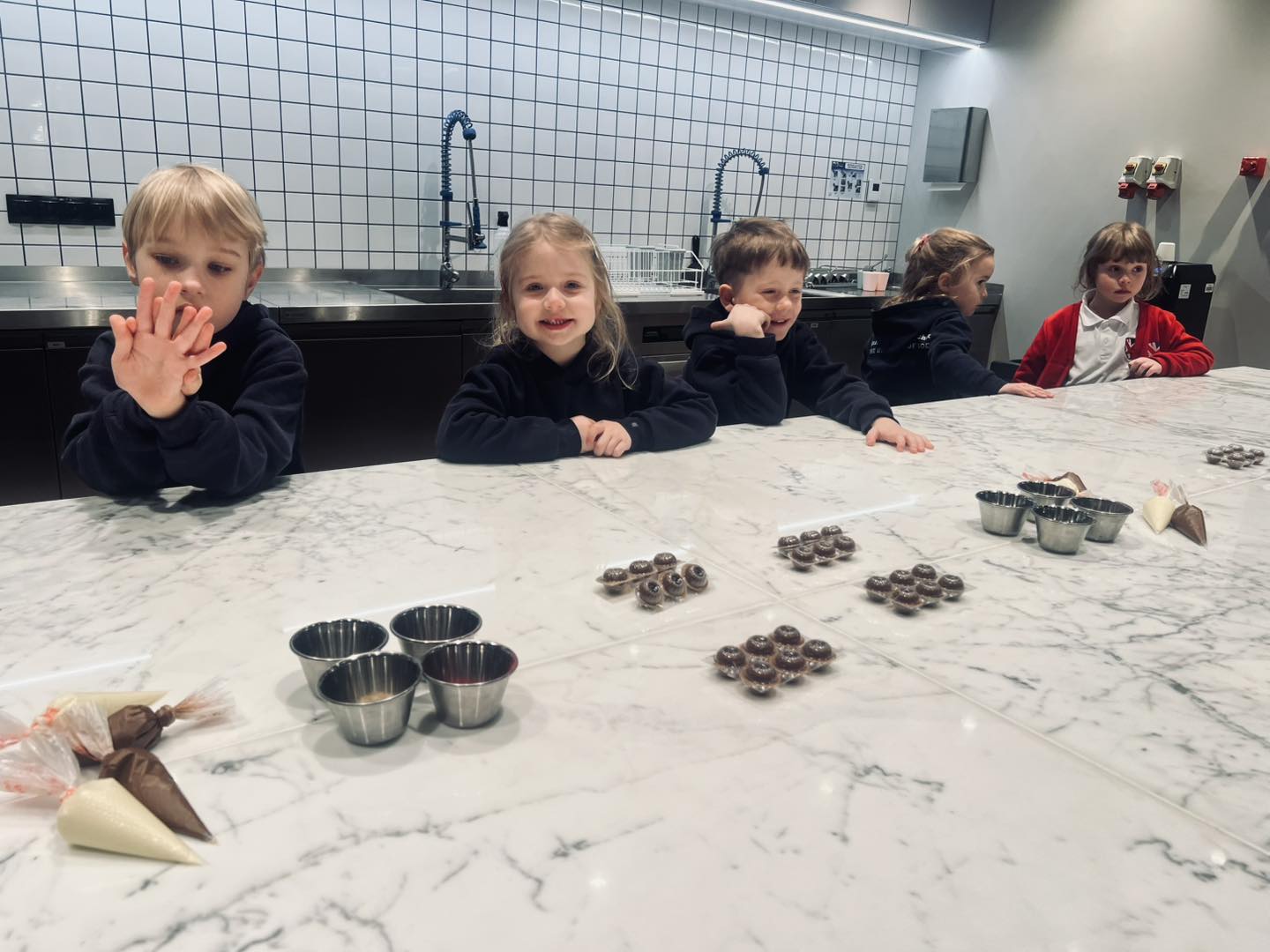
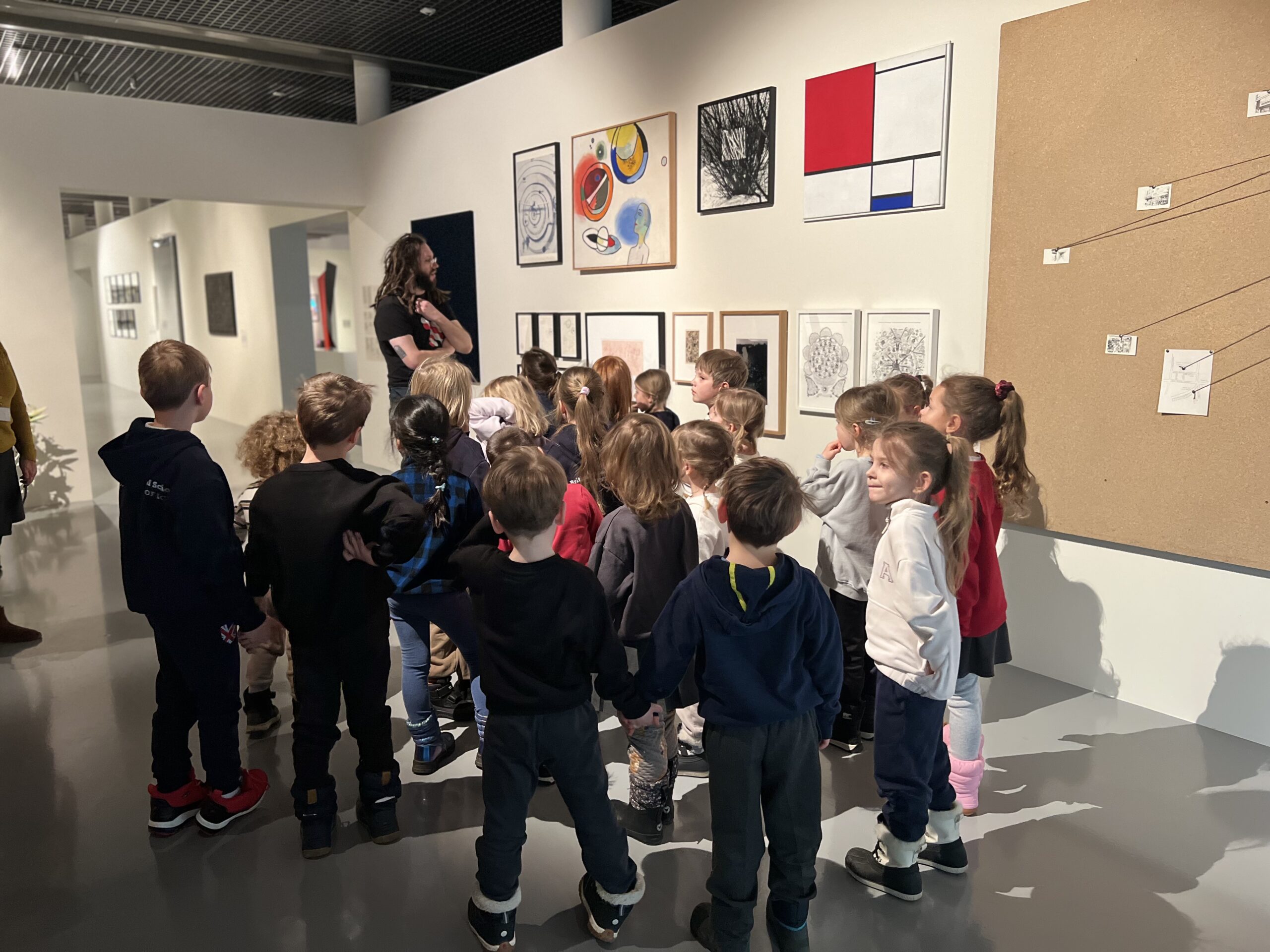
We regularly organise educational and cultural trips, such as visits to the theatre, museum, and workshops — for example in a molecular kitchen — which allow children to broaden their horizons and gain new experiences in a creative way.

Each week is dedicated to a different theme, ranging from health promotion, through transport, to outer space. This helps children develop their interests and expand their knowledge while engaging in a variety of creative activities.

Regardless of the weather, children go outside every day, which helps them build resilience and provides plenty of opportunities for creative outdoor play.

Once a year, we also organise a several-day outdoor preschool programme on the large green grounds of the University of Łódź. During this time, children take part in themed days such as Sports Day, Art Day, Messy Day, and a Family Picnic, allowing for deeper integration, learning, and outdoor fun.

Once a month, we organise swimming lessons at a pool, supporting children’s physical development and giving them the opportunity to learn in the water.

We also organise sightseeing trips, such as full-day excursions to Wrocław, Warsaw, Toruń, and Żelazowa Wola, where children have the chance to discover the most beautiful corners of Poland and develop their interest in history and culture.

On school premises, we also organise winter and summer holiday programmes for the youngest children, full of attractions, workshops, and trips that bring extra joy and allow them to spend their school breaks actively. These programmes are available at an additional cost but offer unforgettable experiences in a fun and educational atmosphere.

We also give parents the opportunity to spend time with their children on school grounds by organising events such as Tea Time, Family Picnic, and Christmas Fair. These events create a wonderful opportunity for integration, bonding, and family fun.

Gallery

Primary

Primary school offers the Cambridge Primary Programme, a world-class curriculum designed to foster a lifelong love of learning while providing a rigorous academic foundation. Our Primary section is thoughtfully structured to support your child’s development as they transition from foundational learning to more complex, subject-specific exploration.

Primary curriculum is divided into two distinct phases, each tailored to the developmental needs of our students:

  • Key Stage 1 (Years 1 – 2): This stage bridges the gap between the investigative play of Early Years and formal education. Year 2 serves as a pivotal transition year, where we build upon the natural curiosity fostered in early childhood, gradually introducing more formal structures to academic inquiry.
  • Key Stage 2 (Years 3 – 6): As pupils progress, the focus shifts toward deepening their subject-specific knowledge, understanding, and critical skills. This phase is designed to ensure a seamless transition and robust preparation for the academic rigours of Secondary School.
What make us special?

We believe in educating the “whole child.” Our curriculum ensures pupils gain proficiency across a wide range of disciplines:

  • Core Subjects: English, Mathematics and Science.
  • Humanities & Languages: Geography, History, Spanish, and Polish.
  • Creative & Physical: ICT, Art, Music, and Physical Education (PE).

To support social-emotional development, pupils in Years 2, 3, and 4 participate in specialised Social Skills Training. Furthermore, we prioritise literacy across the entire Primary section through our daily Reading Programme, ensuring every child begins their morning engaged with literature.

Cambridge Progression Tests

To ensure our pupils are consistently meeting their learning goals, in Years 3, 4, and 5 they sit the Cambridge Primary Progression Tests in English, Mathematics, and Science.

These internal assessments are an invaluable part of our academic journey for several reasons:

  • Familiarisation: They help children become comfortable with the Cambridge test format and question styles in a supportive environment.
  •  International Benchmarking: They allow the school to measure learner performance against rigorous international standards.
  • Targeted Support: By monitoring both group and individual performance, our teachers can identify specific areas where a child may need extra challenge or additional support.
The Cambridge Checkpoint – Year 6

In the final year of Primary, all pupils participate in the Cambridge Primary Checkpoint exams. These are formal assessments marked by Cambridge International examiners in English, Mathematics, and Science.

Success in these qualifications is a significant milestone, as it demonstrates that a child is well-suited and fully prepared for the next level of education in Secondary school. For the school, these exams provide a final, comprehensive view of how our learners perform against the global benchmark before they transition to Key Stage 3.

Gallery
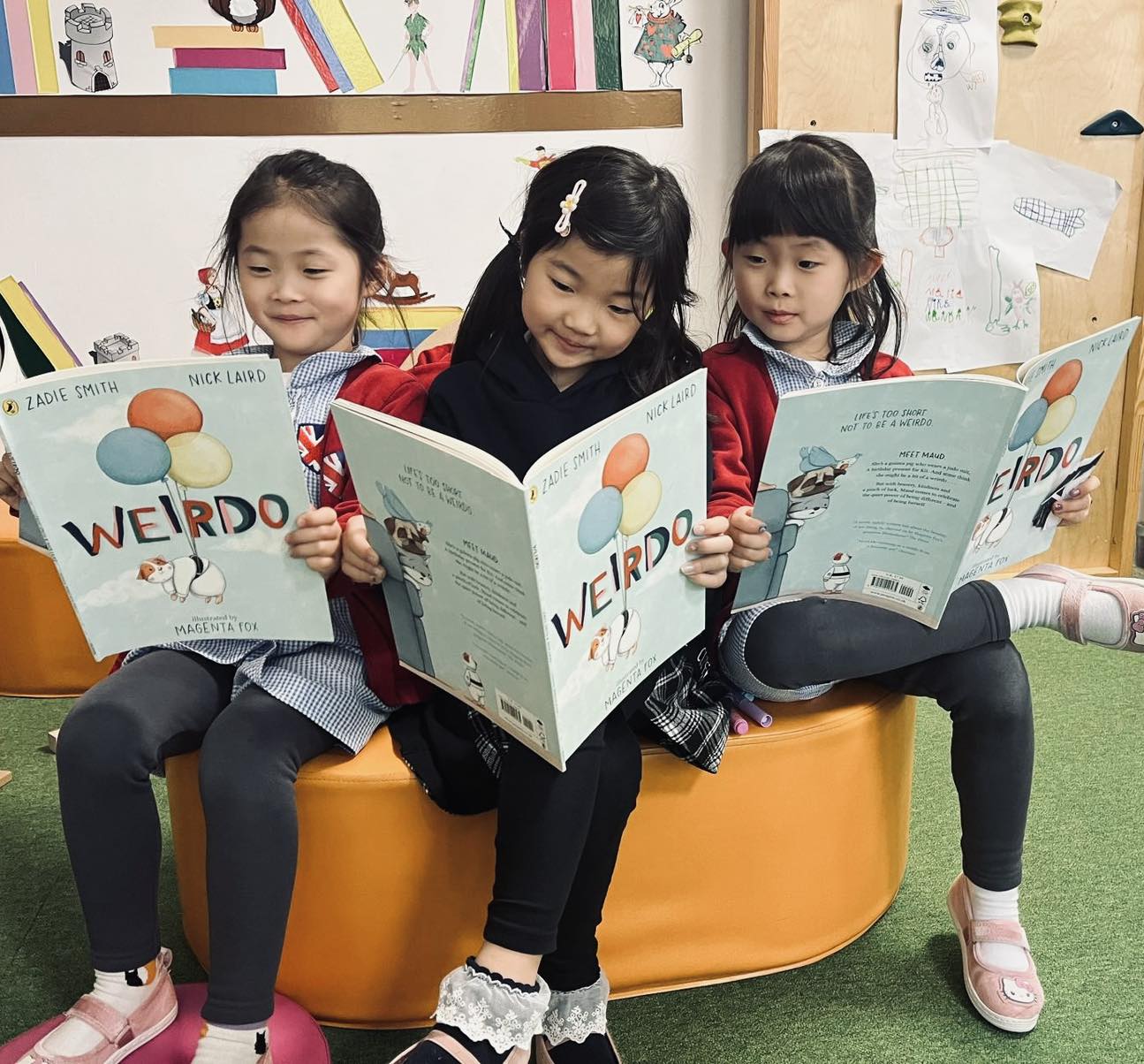
Secondary

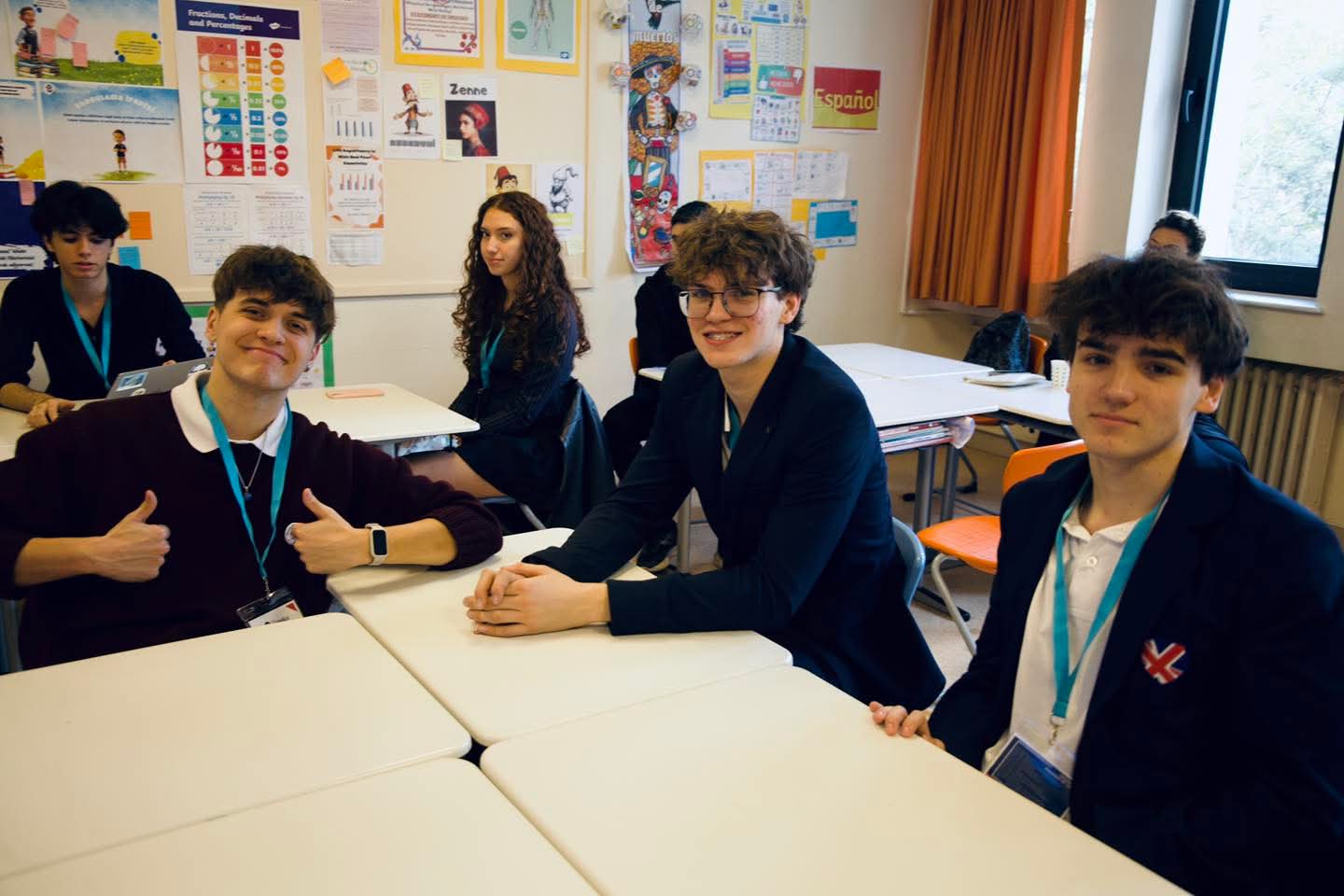
The Secondary section at the British International School of the University of Lodz is divided into three phases:

  • Key stage 3 (Year 7, 8 & 9)
  • Key stage 4 (Year 10 & 11)
  • Sixth Form (Year 12 & 13)
What makes us special?
  • Academics

We offer a challenging curriculum and high academic standards, as well as enrichment opportunities such as IB programme. Teaching Environment We have small classes up to 20 students and low student to teacher ratios (3 students : 1 teacher)

  • Teaching Environment

We have small classes up to 20 students and low student to teacher ratios (3 students : 1 teacher)

  • Community & Culture

Our school culture is based on diversity & inclusion, sense of community, individuality, value-based education, and creativity.

  • Personal Growth

Our school provides social and emotional development for our students. Apart from core academics, our students learn key values such as honesty, independence, responsibility, and justice.

  • Extracurriculars

As an IB school, we promote a range of extracurricular activities, such as sports, arts, and community service. With us, students will uncover new interests and talents they didn’t know they had.

  • Parent Involvement

Our school is built around open communication between parents and administration, and it is a priority for us to involve parents in our community, social events, and PTA meetings.

Key stage 3 (year 7, 8 & 9)

Lower Secondary is typically for learners aged 11 to 14 years. The programme provides a natural progression for children from primary education and prepares them for post-education programmes that lead to formal qualifications.

In keeping with our mission to provide a world-class education, BISUL recognises the need to provide a curriculum that is both stimulating and internationally relevant. We follow the Cambridge Lower Secondary system which provides Progression tests in English, Maths, and Science. These are taken at the end of Year 7 and 8, and are internally marked.

At the end of Year 9, the students take an externally marked Checkpoint Test in the same subjects. In addition to providing an international benchmark, these tests also provide detailed feedback on the strengths and weaknesses of each student.

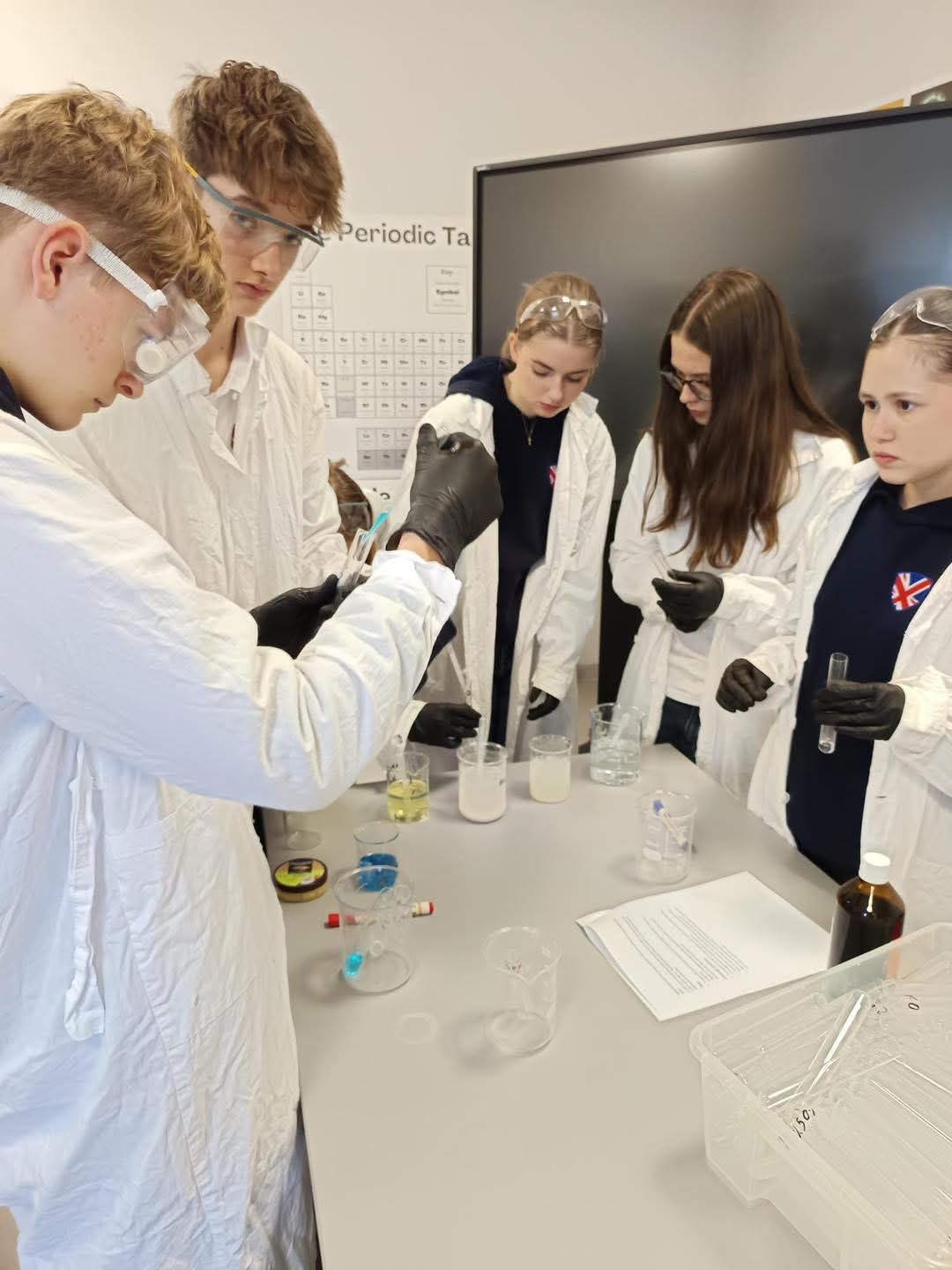
The main subjects taught at this stage are Maths, English, Physics, Biology, Chemistry, Citizenship, History, Geography, ICT, Physical Education.

Key stage 4 (igcse – year 10 & 11)

Cambridge Upper Secondary is typically for learners aged 14 to 16 years. Cambridge Upper Secondary builds on the foundations of Cambridge Lower Secondary, although learners do not need to complete that stage before this one.

In keeping with our mission to provide a world class education, BISUL recognises the need to provide a curriculum that is both stimulating and internationally relevant. Cambridge IGCSE is the world’s leading international qualification for 14 to 16 year olds. It is recognised by universities and employers worldwide, and is an international passport to progression and success. This is a two-year course and the students take their IGCSEs at the end of Year 11.

The main subjects taught at this stage are Maths, English, Physics, Biology, Chemistry, Citizenship, History, Geography, ICT, Physical Education, Business Management.

International baccalaureate (ib) diploma programme

IB Diploma Programme is typically for learners aged 16 to 19 years who need advanced study to prepare for university and higher education. IB Diploma Programme builds on the foundations of Cambridge Upper Secondary, although learners do not need to complete that stage before this one.

In keeping with our mission to provide a world class education, BISUL recognises the need to provide a curriculum that is both stimulating and internationally relevant. For learners aged 16-19 years, the IB Diploma Programme provide advanced preparation for university and higher education. At this stage, students can choose subjects of their interest and are provided with skills that are highly valued by universities worldwide.

Subjects of choice available at this stage are: English, Spanish, Polish, Mathematics, Business Management, Geography, History, Biology, Chemistry and Physics.

Unlocking potential: the creative pursuit programme (cpp)

Our school is dedicated to cultivating the diverse interests and talents of our secondary students. The Creative Pursuit Program (CPP) epitomizes this commitment by offering an education that transcends the conventional curriculum.

CPP presents a curated selection of lessons spanning art and craft, art history, choir, band, and captivating subjects like astronomy, journalism, and Model United Nations (MUN). CPP also includes sports teams. This platform fosters creativity, skill development, and intellectual curiosity.

CPP isn’t just about lessons; it’s a vital part of our curriculum aimed at instilling essential life skills. Through active participation, students cultivate creativity, critical thinking, and teamwork – skills crucial for their holistic growth.

CPP empowers students to explore their passions freely. It is an opportunity for our secondary students, offering a diverse range of lessons during school hours. With a diverse range of subjects to choose from, students take ownership of their learning journey, fostering personal growth and commitment to education.

Gallery

Extracurricular Activities

Art & Design – Year 1 – 6
Basketball – Year 4 – 7
Robotics – Reception – Year 4
Chess – Year 1 – 6
Dance – Nursery – Year 2
Sport Mix – Year 2 – 4
Mental Arithmetic – Year 1 – 2
Drama – Year 1 – 3 and Year 3 – 6
Judo – Nursery – Year 6
Football – Year 4 – 7
French/Italian – Reception – Year 1

School Fees

School fees cover high-quality education, access to modern learning resources, and support from our experienced teaching staff.